Shopping Online Safely: How to Spot Fake Stores and Scams
Learn how to spot fake online stores, too-good-to-be-true deals and payment scams, how to check a shop before you buy and what to do if something goes wrong.
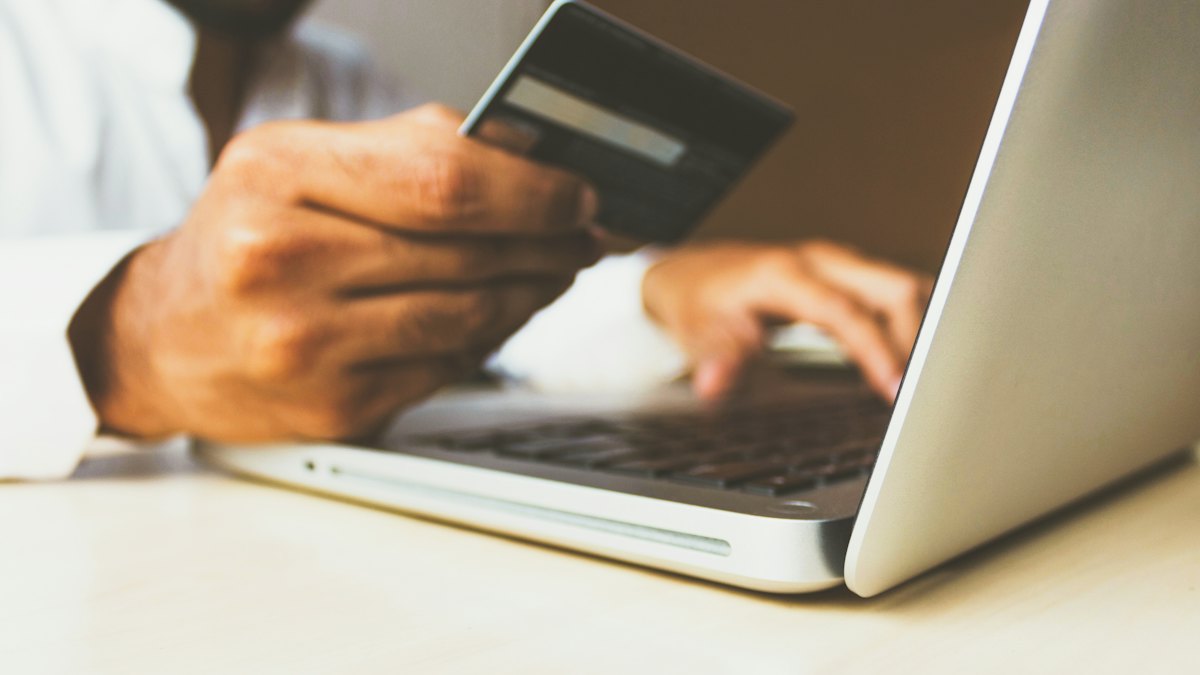
Online shopping is convenient, and most stores are honest. But setting up a convincing fake shop is cheap and easy, and scammers use social media ads, search results and messages to send people to them. The fake store takes your money or card details and either sends nothing or sends something worthless.
This guide shows you how to check a store before you buy, which payment methods give you the most protection and what to do if you already paid.
Common online shopping scams
- The fake store. A professional-looking site with brand-name items at very low prices. It may copy photos and text from real shops.
- The non-delivery scam. You pay, then receive nothing, or only a tracking number that never works.
- The counterfeit or wrong item. What arrives is cheap, low quality or not what was shown.
- Card skimming on real sites. Attackers sometimes hide code on a legitimate checkout page to capture card details. This is rarer for you to spot, so card protections matter.
- Marketplace scams. A seller asks you to pay outside the platform, by bank transfer or gift card, or to move the chat to another app.
- Fake order and delivery messages. Emails or texts about an order you never placed, with a link to "cancel" it.
- Fake reviews and influencers. Glowing praise that has been bought or invented.
Warning signs of a fake store
Prices that make no sense
A new, popular product at a fraction of the usual price is the oldest bait. Compare with a few well-known retailers. Genuine big discounts exist, but they usually come with a clear reason and a recognizable seller.
A strange or very new web address
Read the full address carefully. Look for extra words, odd endings or hyphens, such as a brand name followed by "outlet" or "deals". You can look up when a domain was registered with a public lookup tool. A shop claiming years of history on a site registered a few weeks ago deserves suspicion.
Missing or vague business information
A trustworthy shop lists a real company name, a physical address, an email and a phone number, along with clear return and shipping policies. Be careful if the page has only a contact form, or if the policies look copied from another site, with other store names in the text.
Pressure tactics
Countdown timers that reset, messages like "only 2 left" that never change and pop-ups about other people buying right now are designed to rush you.
Unusual payment options
Be cautious if the site accepts only bank transfers, cryptocurrency, gift cards or payment apps used for sending money to friends. These are hard to reverse.
Poor quality and copied content
Awkward translations, pictures that appear on many other sites and reviews that all sound alike can all be signs. Not every fake store has errors, though, so do not rely on this alone.
A five-minute check before you buy
- Search for the store name together with words like "reviews" or "scam". Read independent opinions, not just the ones on the shop itself.
- Check the address bar and reach the shop by typing the address, not by clicking an ad, if you can.
- Look at the contact details and see whether the address and company exist.
- Read the return policy before you add anything to the basket.
- Compare the price with other sellers of the same item.
- Test the support. A short email question can show whether anyone answers.
Choosing how to pay
How you pay often decides whether you can get your money back.
| Payment method | Protection level | Notes |
|---|---|---|
| Credit card | Often strong | Many countries and card issuers offer dispute or chargeback rights |
| Debit card | Varies | Money leaves your account right away, so a refund may take longer |
| Payment services with buyer protection | Varies by service | Use the purchase option, not the friends and family option |
| Virtual or single-use card | Good for limiting damage | Limits what a thief can reuse |
| Bank transfer, crypto, gift cards | Very weak | Hard or impossible to reverse; avoid for shops you do not know |
The exact rights depend on your country and your card agreement, so read your own terms. Whatever you choose, never send card details by email, chat or text.
Protect your account and your data
- Use a unique password for every shop, with a password manager.
- Turn on two-factor authentication where it is offered.
- Avoid shopping on public Wi-Fi, or use your mobile connection instead.
- Check your bank statement regularly and set up transaction alerts.
- Skip creating an account when guest checkout is available.
- Keep your browser and device updated.
Marketplaces and second-hand deals
Buying from individuals needs extra care. Stay on the platform for chat and payment, because that is how protection programs work. Refuse requests to pay by transfer to "hold" an item, to use a link the seller sends you or to share verification codes. If you meet in person, choose a public place and inspect the item before paying.
What to do if you have been scammed
- Contact your bank or card provider immediately, report the payment and ask about a dispute or chargeback. Speed matters.
- Keep evidence: screenshots of the site, order confirmation, messages and the web address.
- Change passwords if you created an account, especially if you reused a password elsewhere.
- Watch your statements for further charges and consider replacing the card.
- Report the store to the marketplace, your national consumer protection or fraud reporting service, and to the platform where you saw the ad.
Do not be embarrassed. These sites are built by professionals to be persuasive, and reporting them helps protect others.
Frequently asked questions
Is a site safe if it has lots of reviews?
Not necessarily. Reviews can be copied or bought. Look for detailed reviews on independent sites and in different places.
Can I trust social media ads?
Some are legitimate, but many fake shops advertise there. Treat an ad as a starting point and research the store before buying.
Is it safe to save my card in the browser or a shop account?
It is convenient, but it adds risk if the account is breached. A wallet service or virtual card, plus strong login protection, is a safer choice.
What if the store is real but the product is bad?
Contact the seller first and use the return policy. If that fails, start a dispute with your payment provider.
Conclusion
You do not need to avoid online shopping, only to slow down for a minute before paying. Compare the price, research the store, read the policies and choose a payment method that you can dispute. When a deal feels too good to be true or a seller pushes you to pay in an unusual way, walk away. A missed bargain costs far less than a stolen payment.